
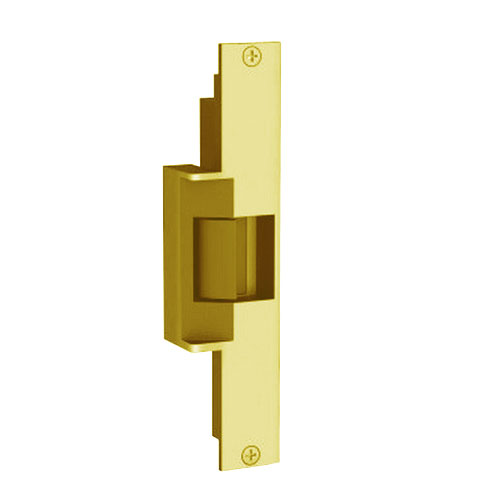
Folger Adam 310 LCBMA: Monitoring a Detention Door Latch
Posted by Kent on 23rd Sep 2026
The control room needs to know the latch actually seated, not just that power was sent
On a detention door, sending a release or lock signal to an electric strike isn't the end of the story for the officer watching the control room panel. A strike can receive power and still not fully seat the latch if something's binding, if the door didn't close all the way, or if the mechanism hangs up mid-cycle. On a high-abuse detention opening, that gap between "we sent the signal" and "the door is actually secure" is exactly the kind of thing a facility can't afford to assume.
The 310 Series: built for the abuse a detention door takes
The Folger Adam 310 Series is an industrial grade electric strike, 3-hour fire-rated, built with all stainless steel construction for high-abuse applications that would disable a lighter-duty strike. It's certified to ANSI/BHMA A156.31, Grade 1, and used with cylindrical locks, mortise locks, and mortise exit devices on single doors and pairs. That's the baseline hardware, the same strike body whether or not a facility adds the monitoring option covered here.
LCBMA: latch and cam monitoring, with an auxiliary switch
The 310-2-12D-LCBMA-605 adds a latchbolt and locking cam monitor with an auxiliary switch to that same strike body. It monitors when the latchbolt is actually projected into the strike pocket, which is a materially different signal than simply confirming the strike received power. A monitored door reports back its actual mechanical state, not just that a command was sent, and that auxiliary switch output is what feeds a status indication back to the control panel.
Fail secure, and what that means paired with a monitor
This SKU is built fail secure: on loss of power, the strike stays locked rather than releasing. Pairing a fail-secure strike with latch and cam monitoring gives a control room two separate pieces of information at once, that the door defaults to locked under a power failure, and that its latched state is actively reported rather than assumed, which is the combination most detention specs are written around.
Base 310 vs. the LCBMA option: same strike, different visibility
The plain 310-2-12D-605 is the same fail-secure, 3-hour fire-rated strike body without the monitor switch. It's the right call where the door doesn't need to report its latched state back to a panel, just operate reliably as a standalone electrified strike. The LCBMA variant costs the extra wiring and integration step of running the auxiliary switch back to the panel; specify it where that status feedback is actually part of the security design, not as a default add-on to every opening.
1/2" or 5/8" throw, without a deadbolt
The 310 series here is built for a 1/2" or 5/8" throw latchbolt, without a deadbolt, which is the standard configuration for cylindrical locks, mortise locks, and mortise exit devices feeding into this strike. Confirm the lockset's actual latch throw against the strike's keeper before specifying, since a mismatch between the latch and the keeper pocket is a common cause of a strike that won't seat cleanly even when the hardware is otherwise correct.
Bright brass here, but confirm the finish against the rest of the opening
The LCBMA SKU referenced here ships in bright brass, and Folger Adam runs the 310 series across a broader finish set for matching existing detention trim. On a retrofit where the surrounding hardware, door frame, and trim are already a specific finish, confirm the strike's finish code against what's already installed before ordering, the same discipline that applies to any hardware replacement on a facility that's been in service long enough to accumulate mismatched finishes from past repairs.
Why this matters more on a pair of doors
The 310 series is rated for use on single doors and pairs. On a pair, latch and cam monitoring on each leaf gives the control room independent status on both doors instead of one combined assumption, which matters when only one leaf of a pair needs to be secured or released at a given time. Specify monitoring per leaf where the security plan requires that level of independent status, not just on the active leaf.
Pro tip from the counter: run the auxiliary switch wiring as a home run back to the panel, not daisy-chained with other status circuits, on a detention job. It keeps the fault isolated to one door if something ever needs troubleshooting, instead of a whole run of doors going dark on the status board over one bad connection. For the base strike sized to a general high-abuse door rather than a monitored detention application, see our Folger Adam 310 guide; the retrofit prep considerations carry over from our Von Duprin 6211 faceplate guide as well.
Common questions
What does the latchbolt and locking cam monitor actually detect?
It monitors whether the latchbolt is physically projected into the strike pocket, giving a real mechanical status rather than just confirming the strike received a lock or release signal.
Is the LCBMA variant fail safe or fail secure?
The 310-2-12D-LCBMA-605 covered here is fail secure, meaning it stays locked on loss of power. Folger Adam also builds fail-safe versions in the 310 line; confirm which function the door's security plan requires.
Do I need the monitor option on every 310 series strike?
No. Specify it where the door's status needs to report back to a control panel. A standard 310 series strike without the monitor is appropriate where that feedback isn't part of the design.
What fire rating does the 310 series carry?
3-hour fire rated, with all stainless steel construction for high-abuse applications and ANSI/BHMA A156.31 Grade 1 certification.
Can the 310 series work with a mortise exit device?
Yes. It's built for use with cylindrical locks, mortise locks, and mortise exit devices running a 1/2" or 5/8" throw latchbolt without a deadbolt.