
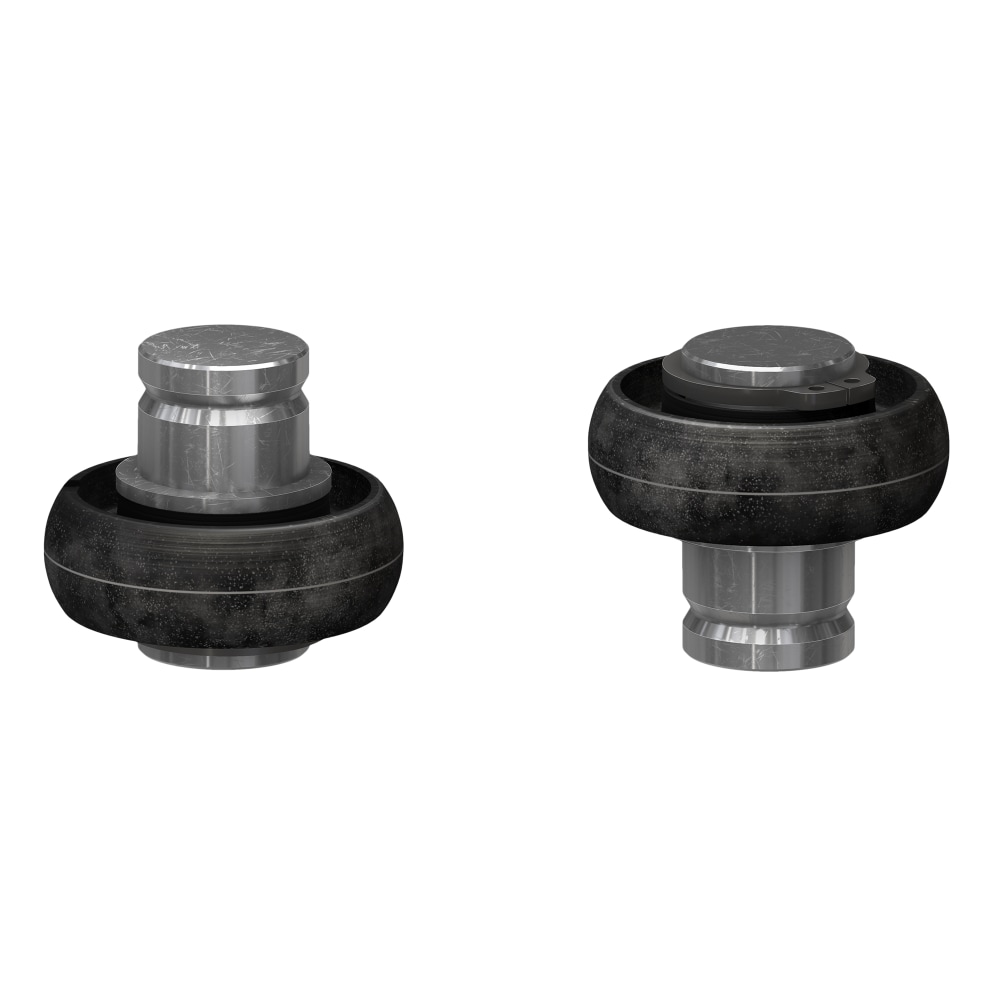
LCN 2010: A Concealed Closer for No Face Hardware
Posted by Kent on 3rd Oct 2026
LCN 2010: A Concealed Closer for No Face Hardware
Most of the time a surface-mounted closer is the right, boring, inexpensive answer. Then you get a job where the architect won't allow any hardware showing on the face of the door — a historic building, a high-end lobby, a design spec that calls for a clean sightline — and a surface closer is off the table no matter how well it would otherwise do the job. That's the door the LCN 2010 is built for.
Concealed-in-Door, Not Concealed Overhead
It's worth being precise about what "concealed" means here, because the door hardware world uses it two different ways. A concealed overhead closer or holder mounts inside the door frame, above the door, with a linkage arm still visible connecting to the door. The 2010 is concealed-in-door — the closer body itself mounts inside the door slab, with track-arm operation running the mechanism. That's a more invasive install (the door gets mortised to accept the closer body) but it's also a cleaner result: nothing on the face of the door at all beyond the track channel itself.
This is not a drop-in swap for a surface closer. A door being retrofitted for a 2010 needs to be prepped for the concealed body, which usually means either ordering the door pre-machined from the manufacturer or having a qualified door shop cut the mortise. Don't spec this closer assuming it retrofits onto an existing door with zero modification — confirm the mortise prep before the door order goes in, not after it arrives on site.
What You Still Get: Adjustable Spring Power and Back-Check
Going concealed doesn't mean giving up the adjustability a facilities manager expects from a commercial closer. The 2010 offers adjustable closing and latch speeds, letting you tune how fast the door swings shut and how hard it snaps the last few degrees into the latch. It also carries back-check, the cushioning function that protects the closer and the frame when someone shoves the door open harder than the mechanism expects — a real consideration on any door that sees foot traffic pushing carts, luggage, or an armload of boxes through it.
Track Arm vs. the Parts That Wear
Because the 2010 is a track-arm design, the wearing part that eventually needs replacement is the track main arm itself, sold separately in a matching finish. If a 2010-equipped door starts binding or the arm feels loose in the track, that's the component to check first before assuming the whole closer body has failed. Keep the original model and serial tag information on hand when you order a replacement part — a photo of the tag before you start the diagnosis saves a second trip to the supply house if the wrong variant gets ordered.
Finish Options Match the Rest of the Opening
The 2010 closer body ships in the standard LCN finish range, including Aluminum and Matte Black, so a concealed closer on a storefront or lobby door doesn't force a mismatch with the rest of the frame hardware. Since nothing but the track channel is visible once installed, finish matching matters less for the closer body itself and more for the track cover, which is the one component someone walking through the door will actually see.
When to Choose the 2010 Over a Surface Closer
If the opening doesn't have an architectural reason to hide the hardware, LCN's surface-mounted 4110 parallel-arm closer is simpler to install, easier to service in the field, and costs less — that's still the right default for most commercial doors. Reach for the 2010 specifically when the spec, the architect, or the building's historic designation rules out anything showing on the door face. It's a narrower use case by design, and that's exactly why it exists as a separate product line rather than an option on the surface-mount family. The LCN door closer hub lays out the rest of the surface-mount lineup if the 2010 turns out to be more closer than the opening actually calls for.
What This Costs You Versus a Surface Closer
Be honest with the customer up front about the tradeoffs. A concealed-in-door closer is a bigger install than a surface closer in every direction that matters: more lead time if the door needs factory machining, more labor if a shop is cutting the mortise after the fact, and a service call twenty years from now that a locksmith unfamiliar with concealed closers may not be equipped to handle on the first visit. None of that makes the 2010 the wrong choice — it makes it a choice that should be driven by the door, not by habit. If nobody on the job has specifically asked for concealed hardware, don't quote it as an upgrade; quote the surface closer that does the same job for less money and less lead time, and save the 2010 for the door that actually needs it.
Common questions
Is the LCN 2010 the same thing as a concealed overhead closer?
No. A concealed overhead closer mounts in the door frame above the door with a visible linkage arm. The 2010 is concealed in the door itself, using track-arm operation, so nothing shows on the door face at all.
Can I retrofit an LCN 2010 onto an existing door with no modification?
No. The door needs to be mortised to accept the concealed closer body, either ordered pre-machined from the door manufacturer or cut by a qualified door shop. Confirm the prep before the door order goes in.
What part wears out first on a track-arm closer like the 2010?
The track main arm is the component that typically needs replacement first if the door starts binding or the arm feels loose. It's sold separately in a matching finish.
Does the 2010 have the same adjustability as a surface-mounted LCN closer?
Yes. It offers adjustable closing and latch speeds and includes back-check, the same core adjustments a facilities manager would expect from LCN's surface-mounted lines.
When should I choose the 2010 instead of a surface closer like the 4110?
Choose the 2010 when the spec, the architect, or the building's design rules out visible hardware on the door face. For most other commercial doors, a surface-mounted closer is simpler to install and service.