
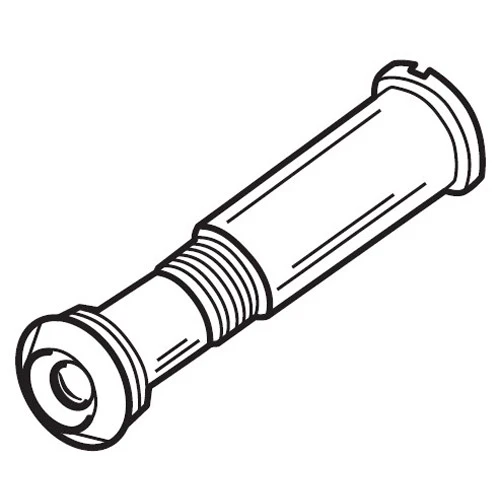
Don-Jo Door Viewer: DV-90, DV-180, or the UL-Rated ULDV
Posted by Kent on 30th Sep 2026
A door viewer is a small part, but the wrong one fails an inspection
A property manager calls about a door viewer maybe once a decade, usually after a break-in scare or a fire marshal's punch list. The part itself is cheap and small enough to lose in a junk drawer, which is exactly why the wrong one gets ordered: nobody checks the viewing angle, the lens material, or whether the door is rated before they buy. Don-Jo makes three versions, built for three different answers to that question: the DV-90, the DV-180, and the fire-rated ULDV-90. Picking between them takes about thirty seconds once you know what each one is actually built to do.
Don-Jo DV-90: the standard door viewer, 160-degree field
The Don-Jo DV-90 is the everyday door viewer: a 160-degree field of view through a plastic lens, installed through a 1/2-inch hole in doors from 1-3/8 inch to 2 inch thick. That covers the standard residential and light-commercial door range: interior office doors, apartment entry doors, a single-family front door. The DV-90 is ANSI L21372 approved hardware, which is the baseline standard for door viewers, not a fire rating. If the door isn't fire-rated and nobody's asked for glass, this is the one to stock.
Don-Jo DV-180: the wider field, bigger install hole
Wider viewing angle is the whole pitch behind Don-Jo's DV-180: a full 180 degrees, taking in the whole hallway or landing instead of just what's directly in front of the door. Same plastic lens, same 1-3/8 to 2-inch door thickness range, but it needs a 9/16-inch hole instead of the DV-90's 1/2 inch. That's the trade a locksmith needs to know before drilling: if there's already a 1/2-inch bore in the door from a prior viewer, stepping up to the DV-180 means opening that hole, not just swapping the part. Worth confirming with the customer before the truck rolls, since redrilling a finished door isn't a five-minute fix. It's also worth asking what the customer actually wants to see: a 180-degree lens shows more of the hallway but compresses everything toward the edges the way any wide-angle lens does, which some people find disorienting on a first look through it. A quick demo through a spare unit before ordering settles more disputes than a spec sheet does.
ULDV-90: the UL-rated viewer for a fire door
The Don-Jo ULDV-90 looks like the standard DV-90: same 160-degree field, same 1/2-inch hole, same 1-3/8 to 2-inch door range. But it swaps the plastic lens for glass and carries a UL rating under ANSI L23222. That's the part that matters on a rated door: a fire door assembly has to keep every penetration on the certification list, and a viewer with a plastic lens and no UL listing isn't on it. A facilities manager who drills a standard DV-90 into a rated stairwell door has created a code problem that only shows up when the AHJ walks the building. If the door carries a fire label, stamped on the hinge edge usually, the ULDV-90 is the only one of the three that belongs in it.
How to tell which one you're replacing
Pull the old viewer out of the door (most twist apart at the two halves) and check three things: the hole size, the lens material, and whether the door itself has a fire label. A 1/2-inch hole with a plastic lens and no label on the door edge is a DV-90 candidate. The same hole with a glass lens, or any door with a visible fire rating stamp, calls for the ULDV-90. A 9/16-inch hole means the DV-180 was there and the wider bore is already cut, so replacing it with a DV-90 or ULDV-90 would leave a gap around the smaller barrel. Match the hole first; the viewing angle is a preference, the hole size and the fire label are not.
All three come from the same Don-Jo line and mount the same way: drill, insert from the outside, thread the interior housing on from the inside, done. None of them need wiring, a strike plate change, or anything beyond the one hole. That's most of the reason this is a part locksmiths stock a few of on the truck rather than special-order per job: the SKU decision is the only real variable, and it takes longer to explain than it does to install.
Finish is the other variable worth confirming before the truck rolls. Bright brass reads as the traditional choice on an older wood entry door, while a satin chrome or dark finish blends into a modern hollow-metal frame without standing out against the surrounding hardware. None of the three viewers change function based on finish; it's purely a match to whatever else is already on the door, the lockset, the kickplate, the closer arm. A mismatched finish is a cosmetic complaint, not a functional one, but it's the kind of thing a customer notices immediately and a locksmith would rather avoid hearing about after the job's closed out. For a broader look at matching Don-Jo hardware finishes and mounting heights across a single door, the Don-Jo door stop sizing guide covers the same measure-before-you-drill logic applied to a different part of the same door.
Common questions
Does a standard door viewer meet fire code on a rated door?
No. A fire-rated door assembly can only carry hardware that's part of its listing, and a plastic-lens viewer with no UL rating isn't on that list. Use the Don-Jo ULDV-90 on any door with a fire label stamped on the hinge edge.
What's the actual difference between the DV-90 and the ULDV-90?
The viewing angle and hole size are identical: 160 degrees through a 1/2-inch hole on both. The ULDV-90 swaps the plastic lens for glass and carries a UL listing under ANSI L23222, which is what a fire-rated door assembly requires.
Can I upgrade a DV-90 hole to a DV-180 without redrilling?
No. The DV-180 needs a 9/16-inch hole; the DV-90 and ULDV-90 use a 1/2-inch hole. Going from the narrower viewer to the DV-180 means opening the existing hole, which isn't reversible if the customer changes their mind later.
What door thicknesses do these fit?
All three Don-Jo viewers in this line cover doors from 1-3/8 inch to 2 inch thick, which is the standard range for interior and exterior commercial and residential doors.
Do these viewers need any wiring or power?
No. All three are purely optical, twist-together parts with no electrical component. Installation is a single hole and two halves threaded together from each side of the door.