
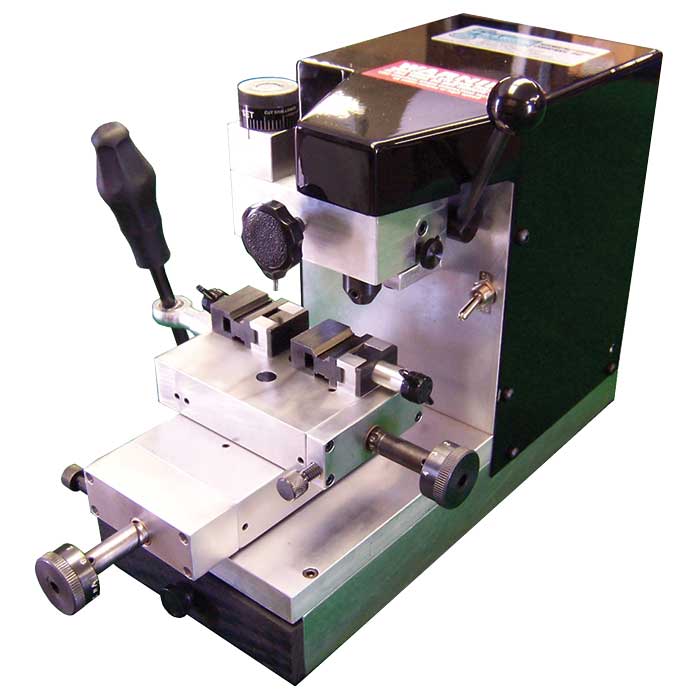
Framon SD2: Cutting European Sidewinder Keys In-House
Posted by Kent on 14th Sep 2026
Framon SD2: Cutting European Sidewinder Keys In-House
A mobile locksmith I know used to turn down every Mercedes and BMW key job that came in, not because he couldn't cut the key, but because his machine couldn't cut that key. Sidewinder keys, the flat laser-track keys that European makes use instead of a standard edge-cut blade, need a different clamping setup and a different cutter than a Kwikset or Schlage house key. He was referring that work out to a dealer and losing the margin on every job. That's the gap the Framon SD2 Sidewinder 2 closes.
What a sidewinder key actually needs from a machine
A standard key duplicator traces an edge cut with a stylus and a cutting wheel running along the blade's edge. A sidewinder or laser-track key isn't cut on the edge at all; the cuts run down the flat face of the key in a track pattern, which needs a machine built to clamp the key flat and cut into the face at the correct depth and spacing. Try to force that job through a standard edge-cutting duplicator and you'll either ruin the blank or cut a key that looks right and doesn't turn the ignition.
The SD2 is built specifically for that face-cut geometry. It runs on 110V AC with a 3,500 RPM cutter, enough consistent power to hold accuracy through a full day of jobs instead of drifting cut-to-cut the way an underpowered machine will. Framon builds it as a code machine as well as a duplicator, meaning you can cut a key from a code lookup, not just copy an existing key, which matters when a customer shows up with a lock and no working key at all.
The brands this actually opens up
The SD2 is built around the sidewinder and laser-track keys used across most of the European lineup: Mercedes, BMW, Mazda, Lexus, Volkswagen, Audi, and others in that same key family. That's the exact segment of automotive work an independent shop or a mobile van tends to lose to a dealership or a specialty automotive locksmith, because it's the one category of key most general-purpose duplicators genuinely can't touch. Picking up that capability doesn't just add a service line, it stops turning away a customer who's already standing at your counter with a different problem.
Match the cutter to the key in front of you
The SD2 doesn't ship as a one-cutter-does-everything machine, and that's on purpose. Different sidewinder profiles need different cutter widths, and Framon sells the wear parts separately so you're not replacing the whole cutting head every time one wears down or you pick up a new key profile. The 3/32" cobalt cutter and the 5/32" cobalt cutter cover the more common domestic-width tracks, and the 3mm cutter is sized for the metric track width several European sidewinder profiles use. Cobalt holds an edge longer than standard high-speed steel against the harder blanks a lot of these automotive keys are stamped from, which matters if you're running enough volume to notice a cutter dulling mid-week instead of mid-year.
Where this earns its keep in a shop
This isn't a machine for a shop doing four keys a week. It earns its cost back on volume and on the jobs you'd otherwise refer out entirely. A mobile locksmith who already answers automotive lockout calls is the clearest fit: showing up to a stranded BMW owner with the ability to cut a working key on the spot, instead of towing the car or scheduling a dealership appointment, is the whole pitch. A storefront shop in a market with enough European car ownership to see repeat sidewinder jobs is the other clear fit. If those jobs show up once a quarter, keep referring them out; if they show up weekly, the machine pays for the referrals you stop losing.
One planning detail that catches people running out of a van: the SD2 draws standard 110V AC shop power, not a battery or a 12V accessory line. A shop counter has that covered without thinking about it. A mobile van needs a real inverter sized for the cutter motor's startup draw, well past a phone-charger-grade unit, or the machine will brown out mid-cut and leave you with a half-finished key and a customer watching. Size the inverter before the machine shows up on the truck, not after.
Common questions
Can the Framon SD2 cut standard house keys too, or only sidewinder keys?
It's purpose-built for sidewinder and laser-track key geometry. For standard edge-cut house and commercial keys, a dedicated edge-cutting duplicator or code machine is still the right tool; don't expect the SD2 to replace your everyday duplicator.
Do I need a different cutter for every car brand it covers?
No. Cutters are sized by track width, not by car brand, and several manufacturers share the same width. Match the cutter width to the key in front of you rather than assuming one brand needs one specific cutter.
Why cobalt cutters instead of standard steel?
Cobalt holds a sharp edge longer against harder key blank stock, which shows up as fewer cutter changes and more consistent depth accuracy across a run of jobs. On lower volume it matters less; on daily automotive work it adds up fast.
Is this a good first key machine for a new locksmith, or a second-machine purchase?
Almost always a second machine. Most shops start with a general-purpose duplicator for standard house and commercial keys, then add sidewinder capability once European automotive work becomes frequent enough to justify a dedicated machine.
What's the difference between a duplicator and a code machine, and does the SD2 do both?
A duplicator copies an existing key. A code machine cuts a fresh key from a manufacturer code lookup with no original key needed. The SD2 handles both, which matters on the jobs where a customer has a lock and no key at all.
Framon carries the full Sidewinder line and replacement cutters if the job mix calls for more than one cutter width, and our writeup on outfitting a service van with the right hardware on hand covers the same build-out-the-van logic from the hardware side.